Transaction Routes Shaping Player Retention Across Digital Entertainment Platforms With Varied Gaming Formats And Reward Mechanisms
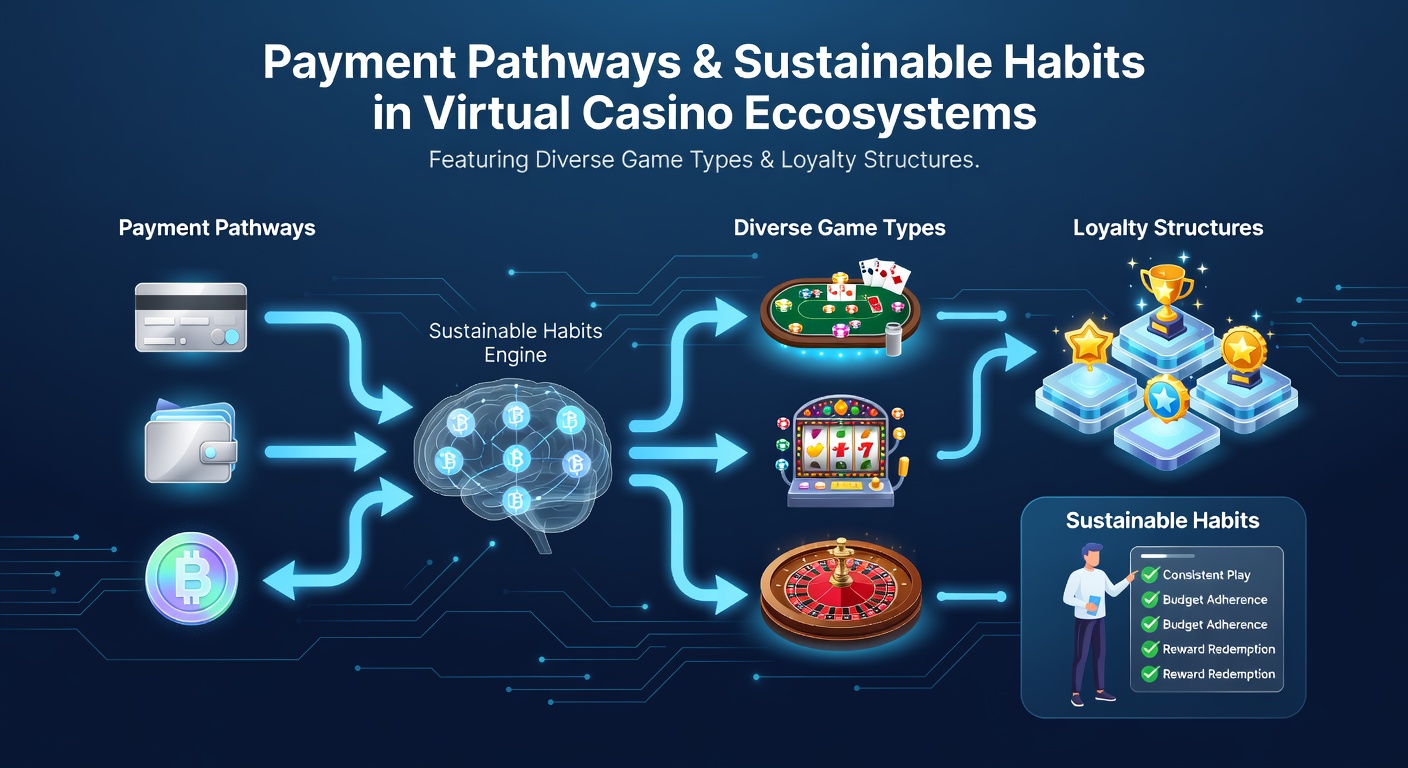
Payment pathways serve as foundational elements in virtual casino environments where users engage with slots, table games, live dealer streams, and sports betting options while participating in structured loyalty programs. These systems facilitate deposits and withdrawals that support ongoing activity across multiple formats, and industry data shows they influence how participants maintain regular interaction patterns over extended periods.
Core Components of Payment Pathways in Virtual Settings
Modern platforms integrate several transaction methods including credit cards, e-wallets, bank transfers, and cryptocurrency options, each designed to handle different volumes and speeds. Researchers from the University of Nevada Reno Gaming Research Center have documented how faster processing times correlate with higher session frequencies among users who play both slots and table games. These pathways reduce friction during deposits, allowing seamless transitions between game types without interrupting momentum, while withdrawal mechanisms tied to verified accounts help establish predictable routines.
Security protocols embedded in these routes protect user data and transaction integrity, which regulatory bodies in regions like Australia monitor through the Australian Communications and Media Authority guidelines. Observers note that platforms incorporating multi-factor authentication and real-time verification see sustained participation rates because players develop confidence in the reliability of their chosen methods.
Influence on Diverse Game Categories and Engagement Patterns
Slots often attract quick deposit users who prefer instant funding for short bursts of activity, whereas table games and live dealer formats benefit from pathways that support larger, verified transfers suitable for extended play sessions. Data indicates that integrated systems allowing one-click top-ups across these categories encourage exploration beyond initial preferences, leading to broader habit formation. Sports betting sections within the same ecosystems rely on rapid confirmation features during live events, and payment routes optimized for such timing help maintain consistent involvement.
One documented case from Canadian provincial reports highlights how streamlined crypto options enabled players to shift between slot reels and sportsbook wagers without delays, resulting in measurable increases in cross-category activity over six-month periods. These connections between payment efficiency and game variety create environments where participants build diversified routines rather than fixed patterns limited to single formats.
Loyalty Structures Interwoven With Transaction Systems
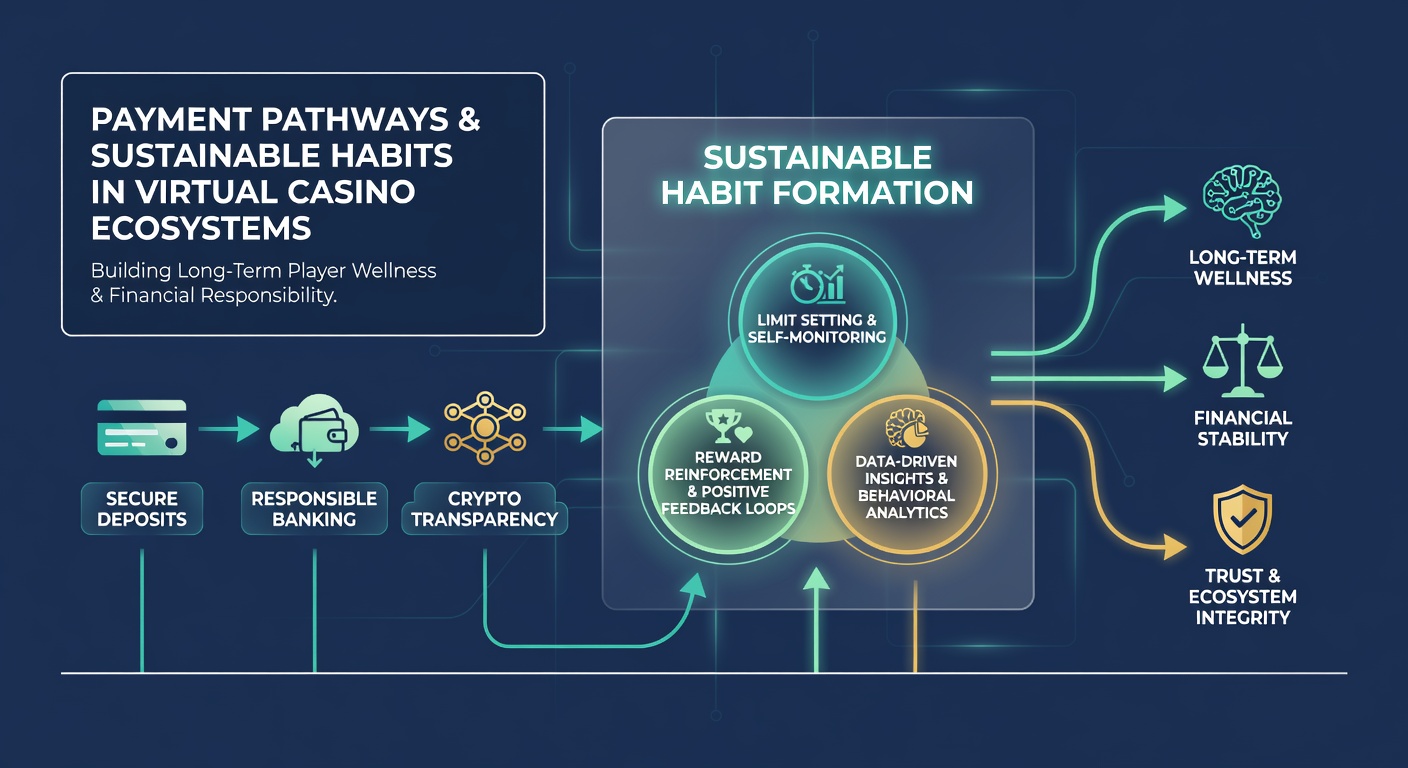
Loyalty programs frequently tie point accumulation and tier progression directly to transaction volume and frequency, creating feedback loops that reinforce regular deposits. Points earned through consistent use of preferred payment pathways convert into bonuses, free spins, or cashback applicable across slots, tables, and live streams, which encourages players to maintain activity levels. Studies from European gaming associations reveal that platforms with unified wallets across loyalty tiers experience longer average player lifespans because rewards feel immediately accessible following each transaction.
Tiered structures often reward higher-value payment methods with accelerated benefits, such as priority withdrawals or exclusive event access, and this linkage helps transform sporadic engagement into structured participation. Those who track their progress through integrated dashboards report clearer visibility into how payment choices affect reward velocity, supporting the development of measured approaches to platform use.
Mechanisms Supporting Sustainable Participation Habits
Sustainable habits emerge when payment pathways incorporate features like spending trackers, deposit limits, and automated reminders that align with loyalty incentives. These tools allow users to set parameters that persist across game types, helping balance entertainment value with financial boundaries. Reports from the Nevada Gaming Control Board indicate that sites offering customizable transaction alerts tied to loyalty milestones see reduced instances of unplanned extended sessions.
Platforms launching enhanced features ahead of regulatory updates scheduled for May 2026 have begun testing integrated dashboards that display both payment history and loyalty status side by side. This approach provides users with comprehensive overviews that support informed decision-making across diverse entertainment options, fostering routines grounded in transparency rather than impulse.
Emerging Trends and Platform Adaptations
Industry analyses show increasing adoption of instant settlement technologies that further minimize delays between deposit and gameplay, particularly in mobile environments. Such advancements strengthen connections between payment routes and loyalty accrual, enabling real-time point updates that keep participants engaged across multiple sessions. External partnerships with fintech providers have expanded options in several jurisdictions, allowing seamless integration of regional banking systems with global casino platforms.
What's notable is how these developments intersect with broader shifts toward responsible design elements, where payment pathways double as channels for delivering educational content about game mechanics and reward structures. Data from academic reviews of digital gaming trends supports the observation that transparent transaction interfaces contribute to longer-term platform retention when paired with varied game libraries.
Conclusion
Payment pathways function as connective tissue within virtual casino ecosystems by linking transaction efficiency to game diversity and loyalty progression in measurable ways. Evidence from multiple regulatory and research sources demonstrates their capacity to shape consistent participation patterns when designed with both accessibility and boundary tools in mind. As platforms prepare for developments around May 2026, continued refinement of these systems will likely determine how users navigate and sustain engagement across evolving entertainment formats and reward frameworks.