Transaction Pathways Connecting Reward Tiers to Multiple Gaming Styles With Embedded Safeguards
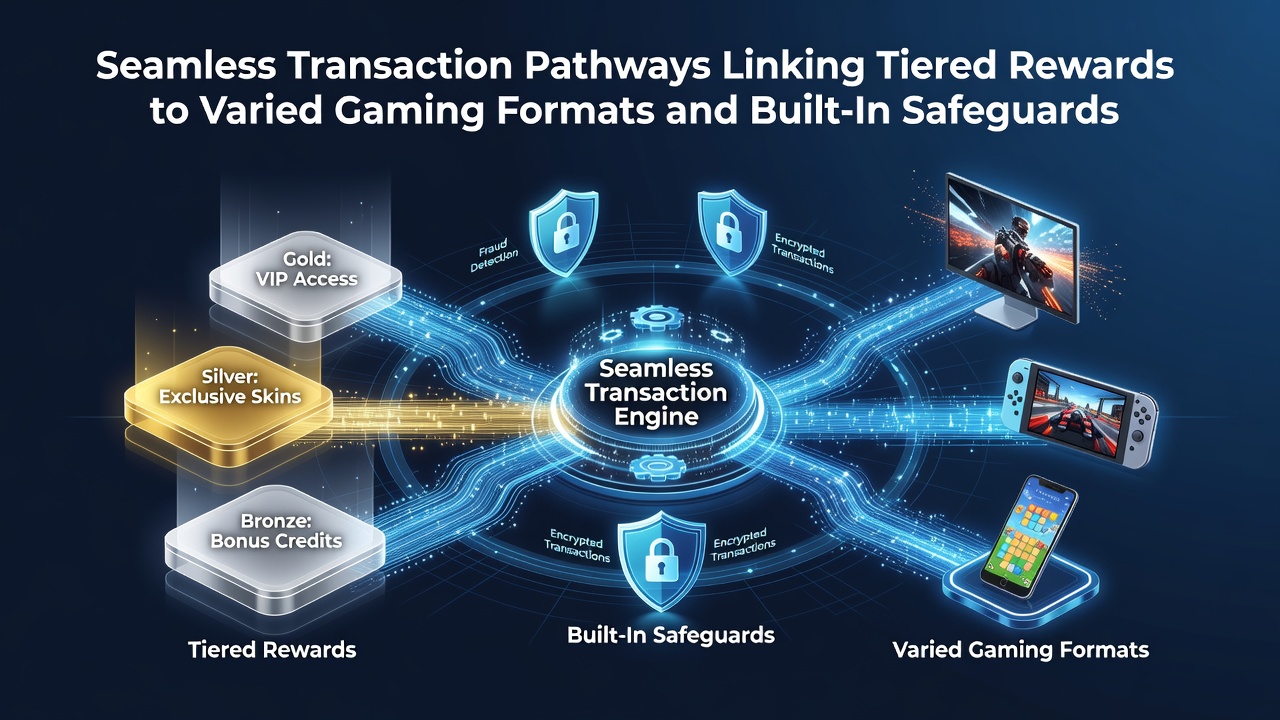
Modern gaming platforms rely on transaction pathways that move funds instantly while connecting those movements directly to tiered reward structures across slots, table games, live dealer sessions and sports betting markets. These systems process deposits and withdrawals through unified ledgers that automatically calculate loyalty points, unlock bonus tiers and apply spending limits without separate logins or manual adjustments. Data from industry reports shows that such integration reduces processing delays from minutes to seconds in many cases while maintaining compliance logs that regulators can audit in real time.
Mechanics of Unified Payment Routes
Payment routes operate through API connections that link banking partners, digital wallets and in-platform accounts so a single deposit triggers immediate reward tracking. When a player funds an account the pathway records the amount, assigns points based on current tier rules and applies any active promotions before the balance appears. This process runs across formats without interruption because the same ledger governs slots spins, table wagers, live dealer bets and sports markets simultaneously. Observers note that platforms updated these connections in June 2026 to handle higher transaction volumes during major sporting events while keeping verification steps intact.
Linking Rewards to Game Variety
Tiered rewards scale according to activity across different formats rather than isolating each game type. A player who places sports bets and then switches to live dealer tables accumulates points in one pool that unlocks higher cashback percentages or exclusive tournament entries. The pathway automatically adjusts reward rates when activity shifts from high-volume slots to slower-paced table games, ensuring the tier progression reflects overall engagement. Research from the Responsible Gambling Council indicates that unified tracking helps operators apply consistent bonus structures without creating separate loyalty programs for each format.
Built-in Protection Layers
Safeguards sit inside the same pathways that handle transactions and rewards so limits activate automatically when spending approaches preset thresholds. Deposit caps, session timers and loss limits trigger at the ledger level, pausing further play or reward accrual until the player confirms continuation. These controls apply equally to slots, tables, live dealer rooms and sports markets because they read from the single transaction stream rather than format-specific rules. In June 2026 several jurisdictions required operators to publish quarterly summaries of how these embedded limits affected player behavior, providing aggregated figures that show reduced instances of extended sessions beyond voluntary caps.
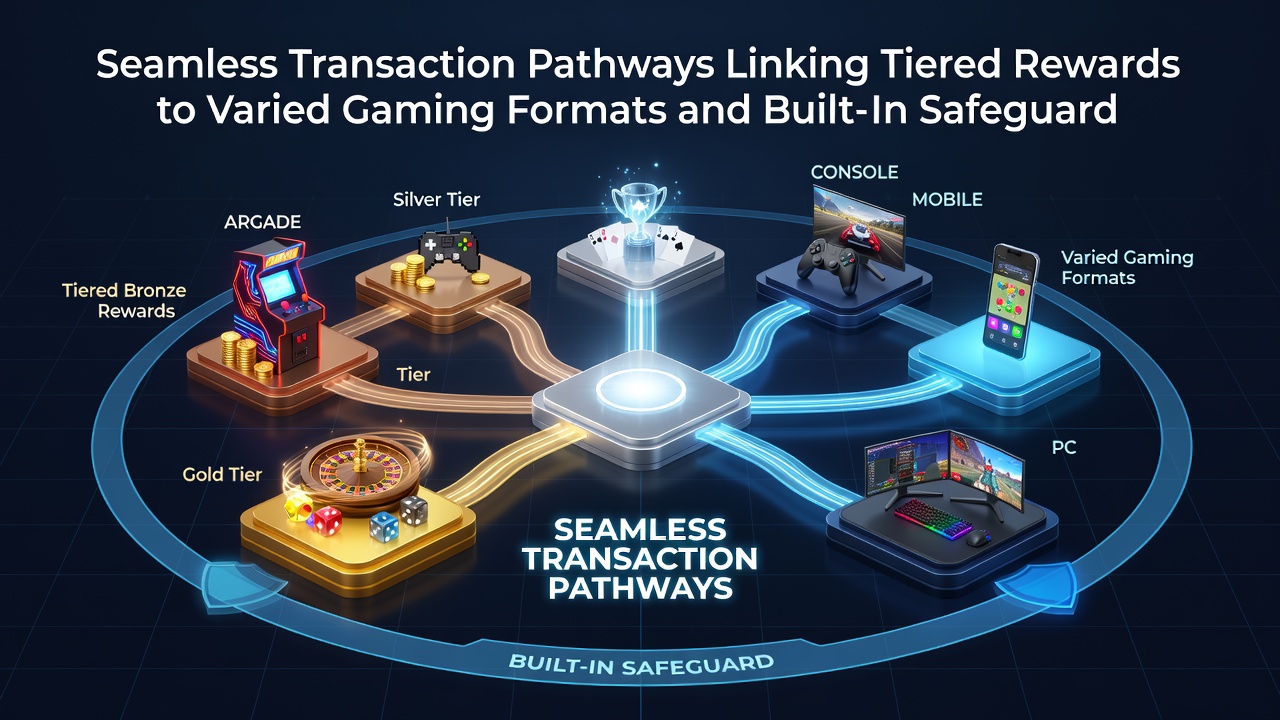
Verification steps occur at multiple points along the route so large transfers or rapid reward redemptions require additional confirmation before completion. This layered approach prevents unauthorized access while allowing legitimate high-tier players to move between game formats without repeated identity checks. Platforms maintain audit trails that record every reward adjustment and limit enforcement action, giving oversight bodies clear records without exposing individual account details.
Cross-Format Reward Application
Rewards earned in one area transfer smoothly to others because the pathway treats all activity as part of a single profile. Points collected from sports betting can fund table game bonuses, while cashback from slots appears as playable credit across live dealer options. This connectivity eliminates the need for players to request transfers between separate wallets or wait for manual approvals. Industry data compiled by the National Council on Problem Gambling shows that unified reward systems correlate with higher retention rates when protections remain active, because players experience consistent incentives without navigating fragmented menus.
Future Adjustments and Oversight
Regulatory updates scheduled after June 2026 focus on standardizing how pathways report reward redemptions that involve protected accounts. Operators must demonstrate that tier progression does not override safety triggers and that transaction logs remain accessible for independent review. These requirements build on existing frameworks that already separate promotional funds from deposit balances, ensuring rewards cannot bypass deposit or loss limits. Platforms continue testing faster settlement methods while keeping the same checkpoint structure so new payment options integrate without weakening safeguards.
Conclusion
Seamless transaction pathways now serve as the central mechanism that ties tiered rewards to varied gaming formats while embedding protective controls at every step. The unified ledger approach allows points and bonuses to follow players across slots, tables, live dealer sessions and sports markets without creating separate tracking systems. Protection features activate automatically through the same routes that process payments and calculate rewards, producing consistent enforcement across all activity types. Continued refinements in 2026 and beyond aim to maintain this balance as transaction volumes and reward complexity increase.