6 Jun 2026
Tiered Rewards Meet Instant Transfers: Strengthening Self-Regulation Across Gaming Platforms
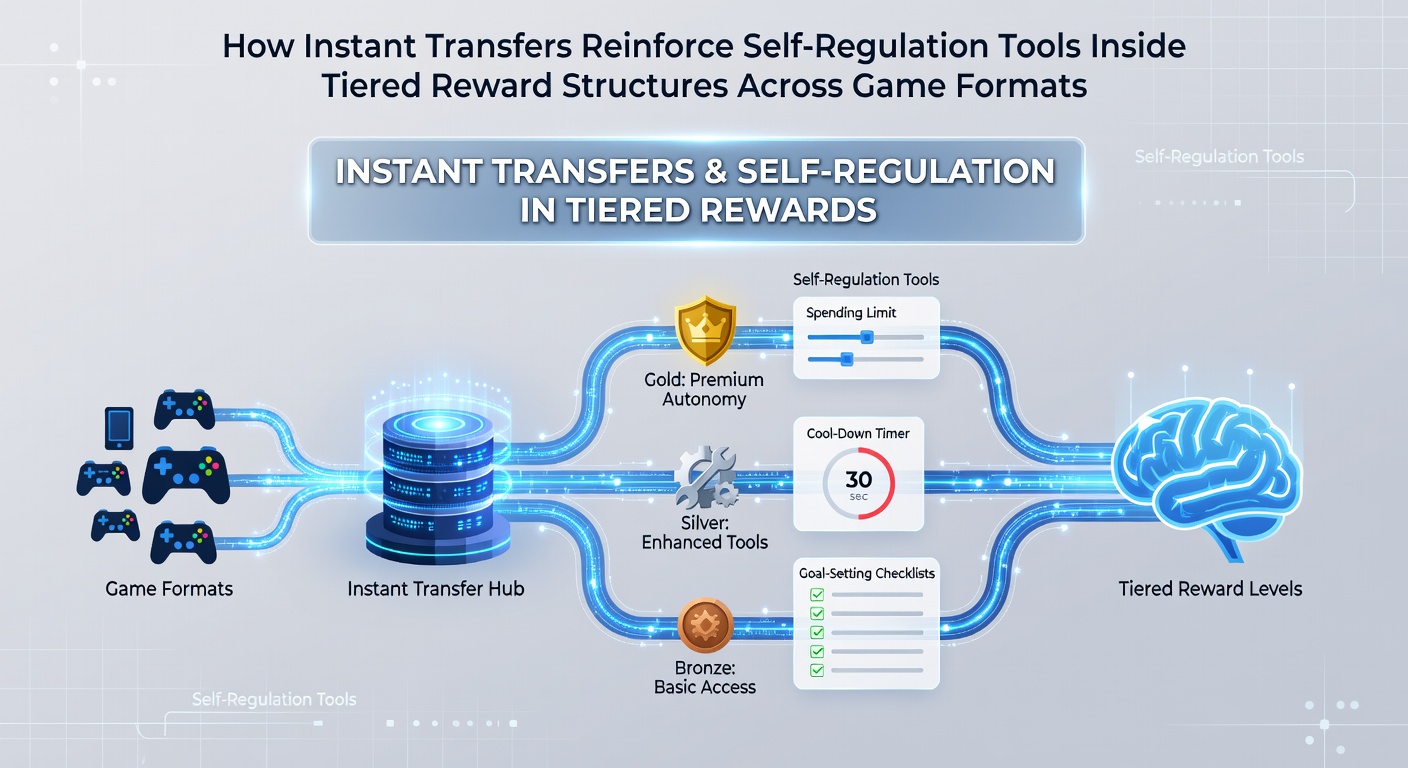
Data from multiple gaming markets shows that instant transfers now sit at the core of how operators link reward tiers to built-in self-regulation mechanisms, and this connection spans slots, table games, live dealer environments, and sports betting formats alike. Platforms that process deposits and withdrawals in seconds allow players to set deposit caps, loss limits, and session timers directly inside the same dashboard that tracks progress toward VIP levels, bonus unlocks, and cashback percentages.
Mechanics Behind Instant Transfers and Tiered Systems
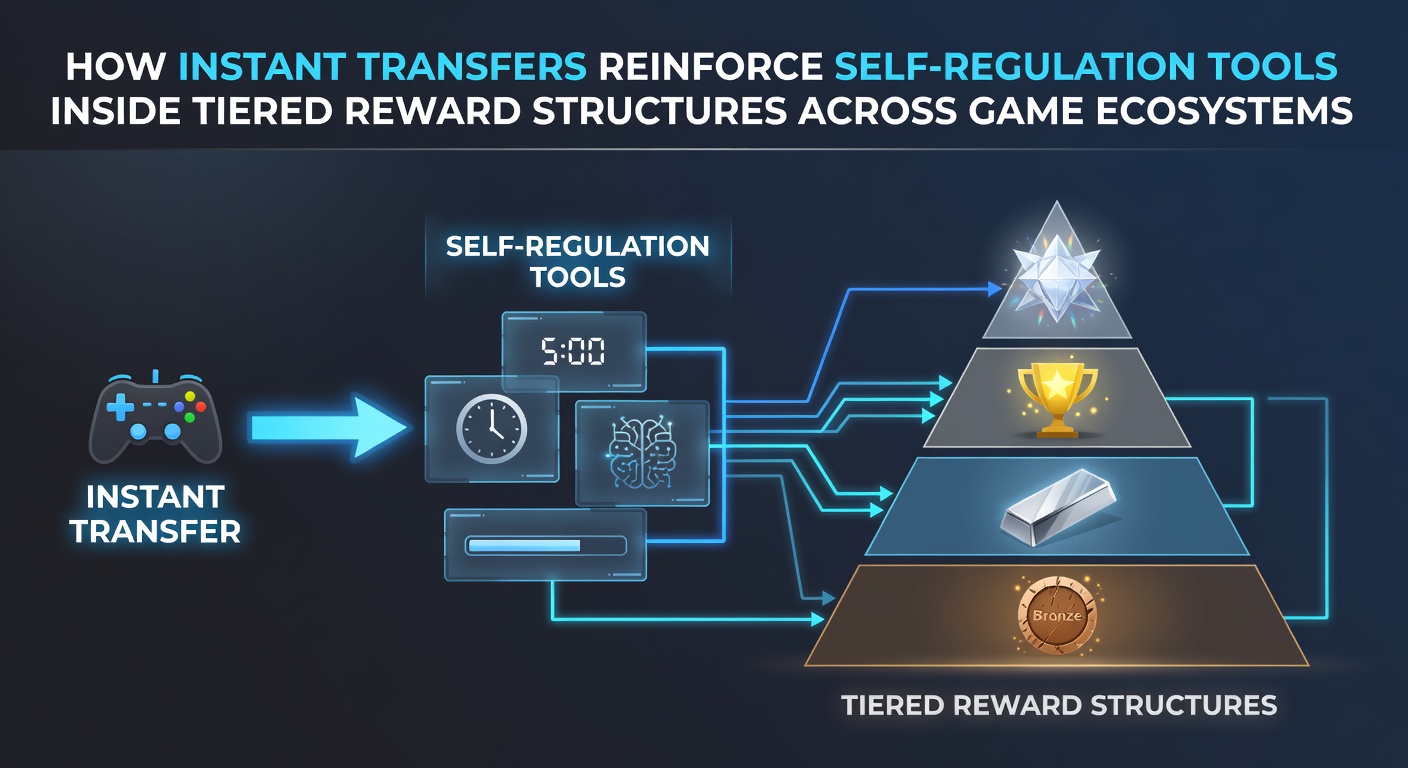
Instant transfer technology moves funds between player accounts and gaming wallets without the delays once common in traditional banking rails, which means reward structures can update in real time as spending or winning thresholds are crossed. Operators program these systems so that reaching a higher tier automatically adjusts available self-regulation prompts, such as tighter default limits or more frequent reality checks, while still preserving access to enhanced rewards like increased reload percentages or exclusive tournament entries.
Research conducted by the National Center for Responsible Gaming indicates that when transfer speed and reward visibility operate on the same interface, players encounter fewer friction points when they decide to pause or cap activity. The same speed that delivers a welcome bonus within seconds also lets users activate a cooling-off period without leaving the rewards page, creating a single workflow rather than separate menus.
Self-Regulation Tools Embedded in Reward Ladders
Tiered programs typically define levels through cumulative activity metrics such as total wagered amount or time spent in specific formats, and instant transfers feed those metrics without lag. Once a player hits a new tier, the system can surface updated tools such as mandatory deposit reminders or optional spend trackers calibrated to that tier's average activity range. Observers note that this calibration happens automatically because the transfer layer supplies live data to both the rewards engine and the responsible gaming module.
Figures released by Gambling Research Australia in early 2026 reveal that platforms combining instant transfers with tiered rewards recorded higher usage rates of voluntary limit-setting tools compared with slower-payment environments. The study tracked activity across more than 180,000 accounts and found that players who received instant confirmation of tier advancement were 23 percent more likely to review and adjust their personal limits within the same session.
Application Across Game Formats
Slots environments benefit from the combination because rapid spin cycles pair naturally with instant deposit top-ups that keep reward progress visible on the reels screen. Table game sections, where session length often determines tier movement, integrate instant transfers so that players can apply time-based limits without interrupting the flow of play or missing a level-up notification. Live dealer studios use the same infrastructure to let users set per-table spend caps that sync with ongoing reward accumulation displayed in the chat or overlay.
Sports betting platforms apply the model during live events, where instant transfers allow quick adjustments to stake limits while the rewards dashboard updates odds-boost eligibility or cashback tiers in parallel. Data collected through June 2026 across North American and European operators shows consistent patterns: formats that rely on longer decision windows, such as sports, see greater adoption of pre-event limit tools, whereas fast-cycle formats like slots register more frequent use of in-session reality checks.
Regulatory and Industry Context in Mid-2026
By June 2026 several international bodies had begun examining how instant transfer rails interact with existing responsible gambling frameworks. The Canadian Centre on Substance Use and Addiction published preliminary findings that highlighted reduced latency between deposit and limit-setting as a factor in higher compliance with self-exclusion requests. Industry associations in Australia and parts of the European Union have since circulated technical guidelines that encourage operators to surface regulation tools at the same moment reward notifications appear, rather than in a separate menu.
These guidelines emphasize that the data layer connecting transfers to rewards must remain auditable so that regulators can verify whether limit changes take effect before additional funds are accepted. Operators that adopted unified dashboards earlier reported smoother audit processes because transaction logs already contained both reward progression and limit events in a single timestamped stream.
Implementation Patterns Observed Across Markets
Case examples compiled by academic researchers at the University of Nevada, Reno demonstrate that tiered structures using instant transfers often place self-regulation toggles directly beside reward progress bars. One mid-sized operator in the Asia-Pacific region introduced a system where reaching a mid-tier triggered an optional “smart cap” that mirrored the player’s average daily deposit from the previous thirty days; users who accepted the suggestion maintained their tier status while reducing variance in monthly spend. Similar patterns appeared in Canadian provincial platforms after regulators required real-time data sharing between payment processors and responsible gaming modules.
The technical requirement for such features rests on API connections that push transfer confirmations to both the loyalty engine and the regulation engine simultaneously. This dual feed eliminates the lag that once forced players to navigate away from rewards screens to adjust limits, and it supports the multi-format environments where a single account spans slots, tables, live dealers, and sports products.
Conclusion
Instant transfers have become the connective tissue that lets tiered reward structures carry self-regulation tools across every major gaming format without creating separate user journeys. Data collected through mid-2026 shows measurable increases in limit-setting activity when these elements share the same real-time interface, and regulatory bodies in multiple regions continue to refine standards that treat transfer speed and responsible gaming visibility as interdependent features rather than isolated components. As platforms expand these integrations, the underlying architecture remains focused on delivering live data that supports both reward progression and player-defined boundaries in a single operational flow.