Reward Structures Designed to Promote Mindful Engagement in Digital Slot and Sports Platforms

Digital slot platforms and sports wagering environments have developed layered reward architectures that tie incentives directly to controlled participation patterns, and operators continue to refine these systems as player data accumulates through 2026. These frameworks often combine loyalty metrics with behavioral thresholds so that rewards activate only after predefined limits on time, spend, or frequency have been observed, creating structural prompts for measured involvement rather than unrestricted accumulation.
Core Components of Mindful Reward Design
Many current programs segment rewards into tiers that require documented adherence to session caps or deposit ceilings before higher-value benefits unlock, and this approach draws from aggregated user analytics that track repeat engagement across multiple jurisdictions. Points systems convert play activity into redeemable credits only when participants maintain intervals between sessions, while cashback mechanisms scale upward solely for those who set and respect personal loss boundaries within a defined period. Observers note that such conditional structures emerged more prominently after regulatory updates in several regions during late 2025, prompting platforms to embed real-time monitoring tools that flag when users approach their chosen parameters.
Application Across Slot Environments
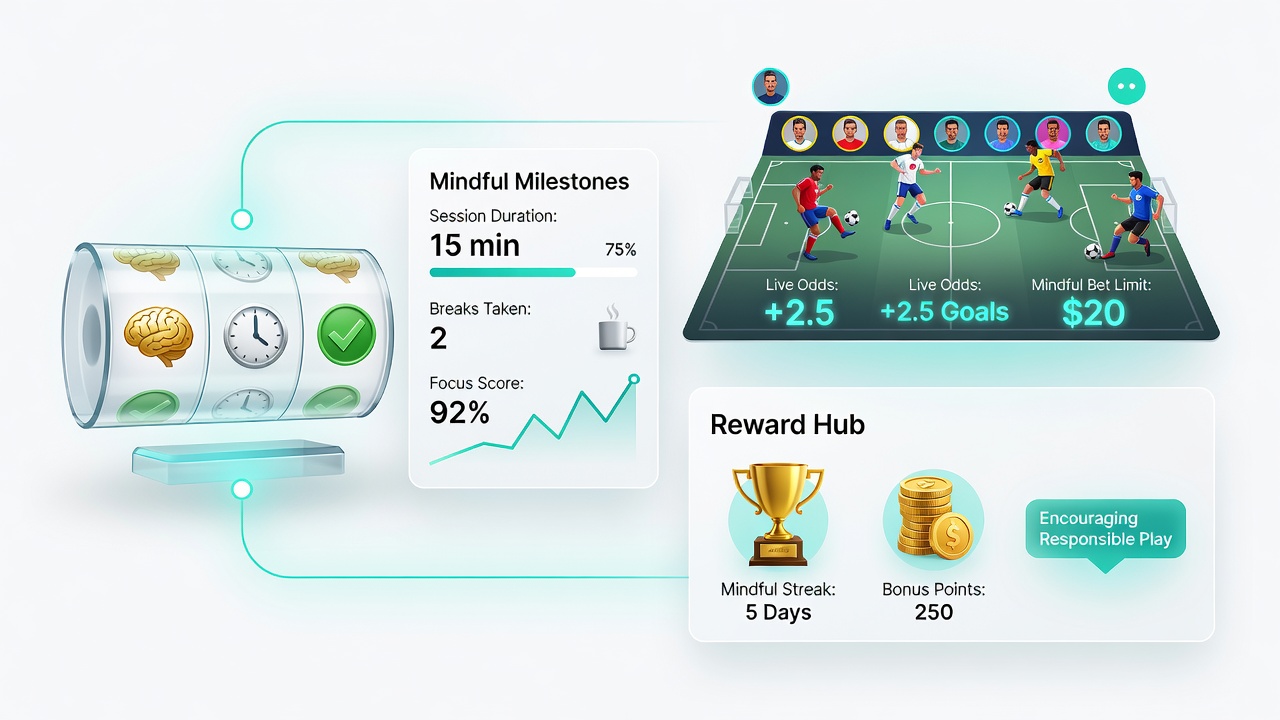
Slot interfaces now frequently display progress bars that advance toward bonus spins or multiplier stages only after players complete a set number of spins within controlled time windows, and these visual cues integrate with optional cool-down prompts that pause reward accrual if rapid consecutive plays exceed preset rates. Data from platform operators shows that users who engage with these layered incentives record longer average intervals between logins compared with those on flat reward models, while total wager volumes remain stable across monitored cohorts. In July 2026 several major networks introduced additional streak-based bonuses that reset automatically after any single session surpasses a voluntary duration limit, effectively linking continued reward eligibility to self-imposed pacing.
Integration Within Sports Betting Systems
Sports platforms apply similar conditional logic to accumulator bonuses and live-event promotions, granting enhanced odds or free bet credits exclusively when bettors maintain overall stake percentages below individualized thresholds tracked across a calendar week. Research indicates that these structures correlate with reduced variance in betting frequency among participants who activate optional limit-setting tools before reward qualification begins. Operators have begun embedding educational modules that users must complete to unlock subsequent loyalty levels, and completion rates have risen steadily since the introduction of mandatory modules in select markets during early 2026.
Cross-Platform Data and External Benchmarks
Industry reports compiled by the American Gaming Association highlight that reward programs incorporating mandatory cooling periods achieve higher retention of users who voluntarily adopt spend caps, and comparable patterns appear in analyses released by the Ontario Lottery and Gaming Corporation. These findings stem from anonymized transaction datasets spanning multiple operator networks, where reward redemption rates serve as proxies for sustained yet bounded activity. Platforms that link rewards to verified completion of responsible gaming checklists report measurable upticks in users who adjust their limits mid-cycle rather than after reaching them.
Technical Implementation and User Controls
Backend systems now synchronize reward ledgers with real-time risk engines that pause point accumulation when predefined behavioral markers appear, and front-end dashboards allow participants to view projected reward trajectories under different limit scenarios before committing further play. Mobile applications in particular have streamlined these controls through quick-access toggles that instantly recalibrate bonus eligibility based on updated personal parameters. External audits conducted by independent research bodies confirm that transparent display of these mechanics correlates with higher voluntary use of session reminders across both slot and sports verticals.
Conclusion
Reward structures that condition benefits on observable mindful behaviors continue to expand across digital slot and sports environments, supported by ongoing refinements in data tracking and user interface design. As platforms incorporate additional safeguards through mid-2026, these architectures remain central to aligning operator incentives with sustained, regulated participation patterns observed in multiple regulatory jurisdictions.