Payment Pathways: Loyalty Systems Bridging Live Dealer Sessions and Sports Betting Markets
Integrated Financial Networks in Modern Gaming
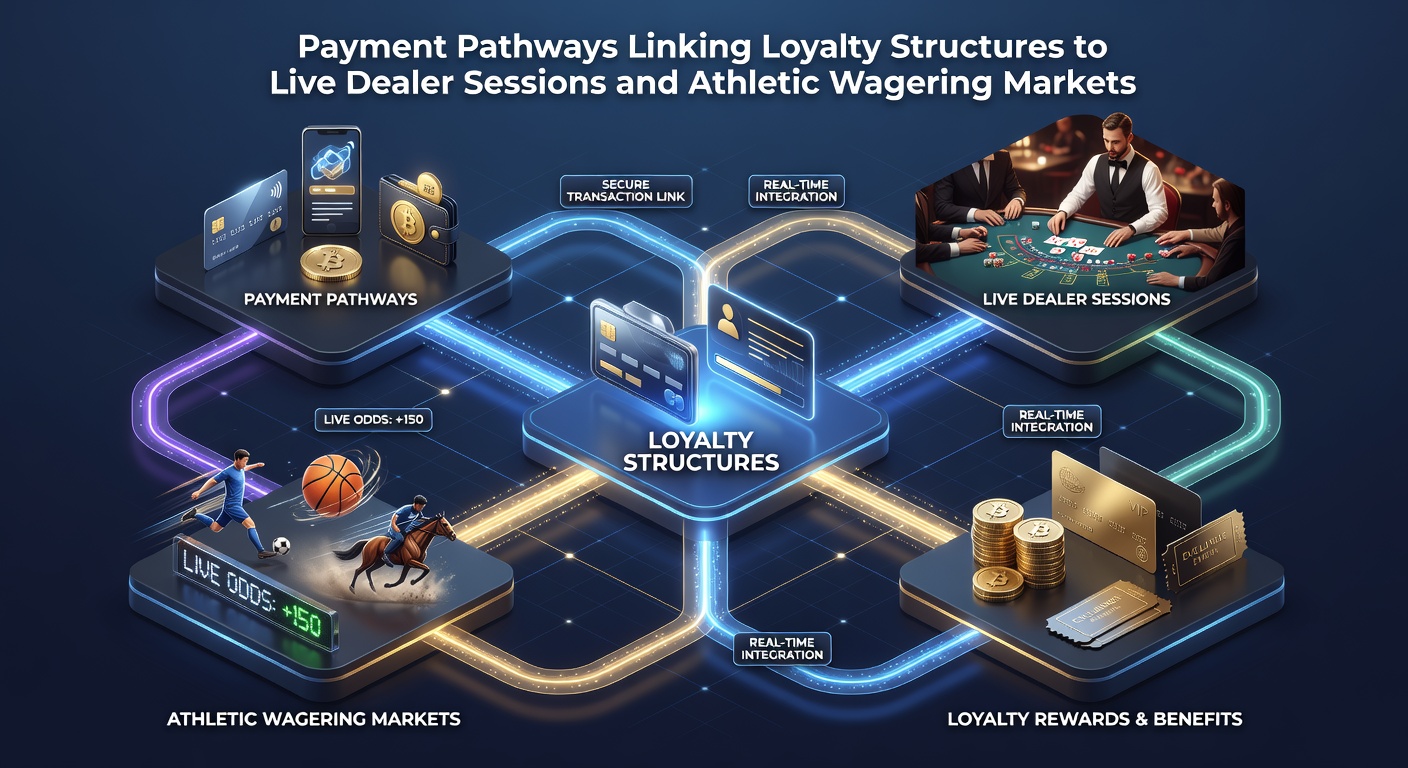
Payment pathways have evolved into sophisticated networks that tie loyalty structures directly to live dealer sessions and athletic wagering markets, allowing users to move rewards seamlessly between table games streamed in real time and sports betting interfaces. These systems rely on unified account ledgers where points earned from one activity convert automatically into playable balances for another, supported by payment processors that handle instant transfers across multiple verticals. Operators maintain these connections through centralized databases that track user activity from slot spins to live roulette wagers and football accumulators, ensuring loyalty tiers unlock enhanced deposit speeds and withdrawal limits.
According to data released by the New Jersey Division of Gaming Enforcement, integrated payment solutions processed over 40 percent of live dealer transactions through loyalty-linked wallets in recent reporting periods. Such figures reveal how operators design these pathways to reduce friction, letting players fund athletic bets with accumulated rewards from previous dealer sessions without separate verification steps.
Loyalty Structures Driving Cross-Vertical Transactions
Loyalty programs function as the connective tissue in these pathways, assigning point values that carry over from live dealer interactions into sports wagering accounts. A player completing a session at a blackjack table might receive tier credits that apply instantly to an upcoming basketball bet, facilitated by payment gateways programmed to recognize loyalty status and adjust transaction fees accordingly. This setup appears in platforms where mobile apps synchronize data across game types, pulling from the same funding source whether the activity involves video streams of card tables or odds on athletic events.
Industry reports from the American Gaming Association highlight that loyalty integration has increased average session lengths in both live dealer and sports betting categories by linking reward redemptions to deposit bonuses. Payment providers such as e-wallet services embed these structures so that users at higher tiers bypass standard processing delays, moving funds between dealer sessions and wagering markets within seconds rather than minutes.
Live Dealer Sessions and Real-Time Payment Flows
Live dealer environments depend on these pathways to maintain continuous engagement, with payment systems authorizing bets mid-stream using loyalty balances accrued from prior athletic wagers. Cameras capture table action while backend processors verify funds drawn from unified loyalty pools, preventing interruptions that could occur with separate account silos. Observers note that platforms schedule these capabilities to align with peak viewing times, allowing seamless top-ups during extended sessions without exiting the dealer interface.
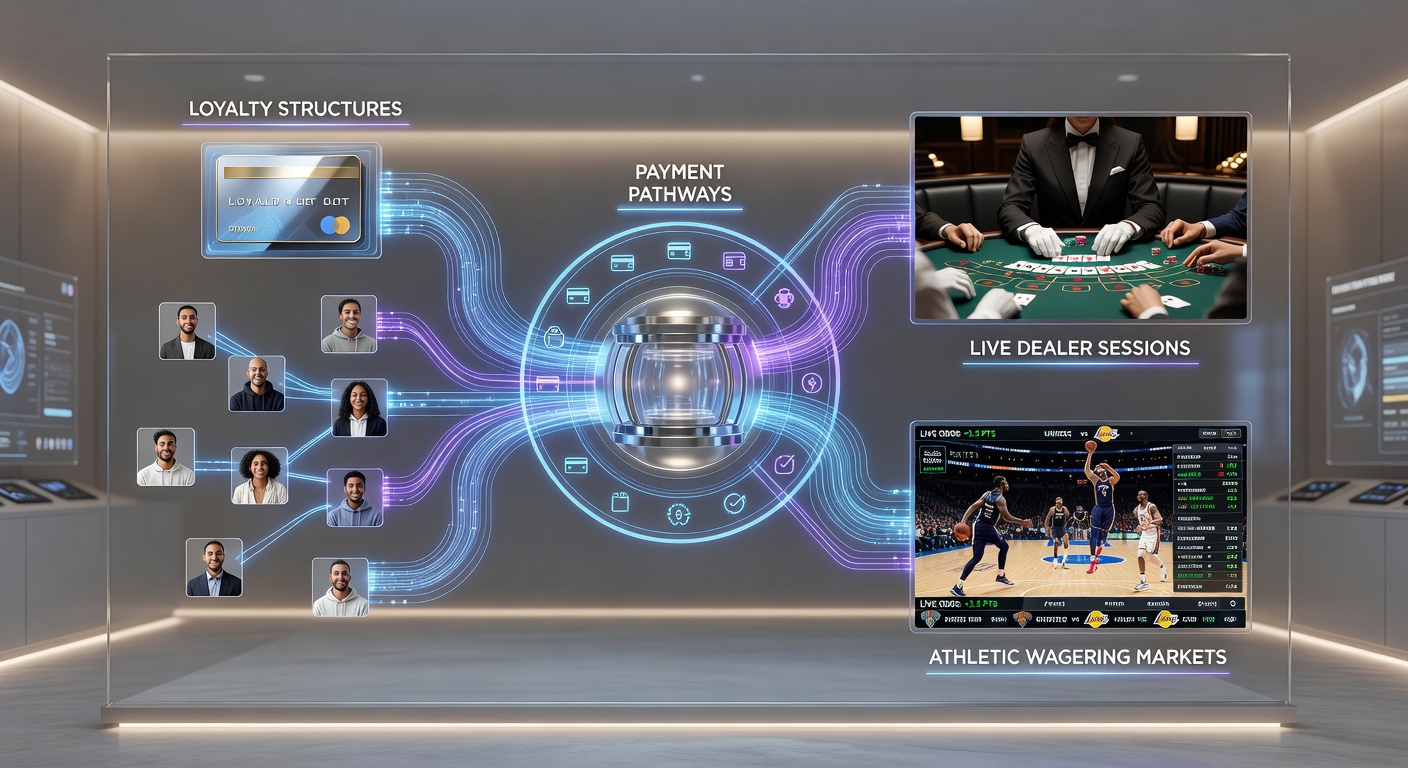
Regulatory updates tied to new casino launches scheduled for May 2026 emphasize secure payment rails that support this cross-activity movement, requiring operators to demonstrate real-time reconciliation between dealer game ledgers and sports market accounts. Payment processors comply by embedding encryption protocols that protect loyalty data as it travels between verticals, reducing exposure during high-volume periods.
Athletic Wagering Markets and Loyalty-Enabled Deposits
Sports betting platforms incorporate loyalty pathways that pull rewards from live dealer participation, enabling users to place wagers on events with converted points rather than fresh deposits. This occurs through APIs that connect athletic odds engines to loyalty databases, calculating available balances based on recent table game activity. Data from the Malta Gaming Authority shows increased adoption of such linkages in European markets, where operators report higher retention when payment options reflect accumulated loyalty status across both dealer streams and sports events.
Those who manage these systems often implement tiered withdrawal rules that favor integrated users, allowing faster access to winnings from combined dealer and betting activity. Payment methods including bank transfers and digital wallets adjust limits dynamically according to loyalty levels, creating fluid movement that supports both recreational and higher-volume participants in athletic markets.
Regulatory and Technological Considerations
Technological advancements continue to refine these pathways, incorporating blockchain elements for transparent tracking of loyalty points as they convert between live dealer sessions and sports wagers. Regulators in multiple jurisdictions require operators to maintain audit trails that document every transfer, ensuring compliance while preserving the speed users expect. With launches planned for May 2026 incorporating updated standards, payment providers focus on interoperability that lets loyalty structures function consistently across dealer tables and athletic betting interfaces.
Research from the University of Nevada, Las Vegas gaming studies indicates that unified payment systems correlate with broader participation patterns, where users engage more frequently when rewards flow without manual intervention between game types. These findings align with operator reports that detail reduced support queries related to balance transfers in loyalty-connected environments.
Conclusion
Payment pathways that link loyalty structures to live dealer sessions and athletic wagering markets represent established infrastructure in regulated gaming sectors, supported by data from enforcement agencies and industry associations. These connections enable efficient movement of rewards and funds while meeting evolving requirements ahead of 2026 expansions. Operators and processors maintain these networks through coordinated technology that prioritizes security and accessibility across all participating verticals.