Linking Athletic Wagers to Tiered Rewards via Mobile Integration and Spending Controls
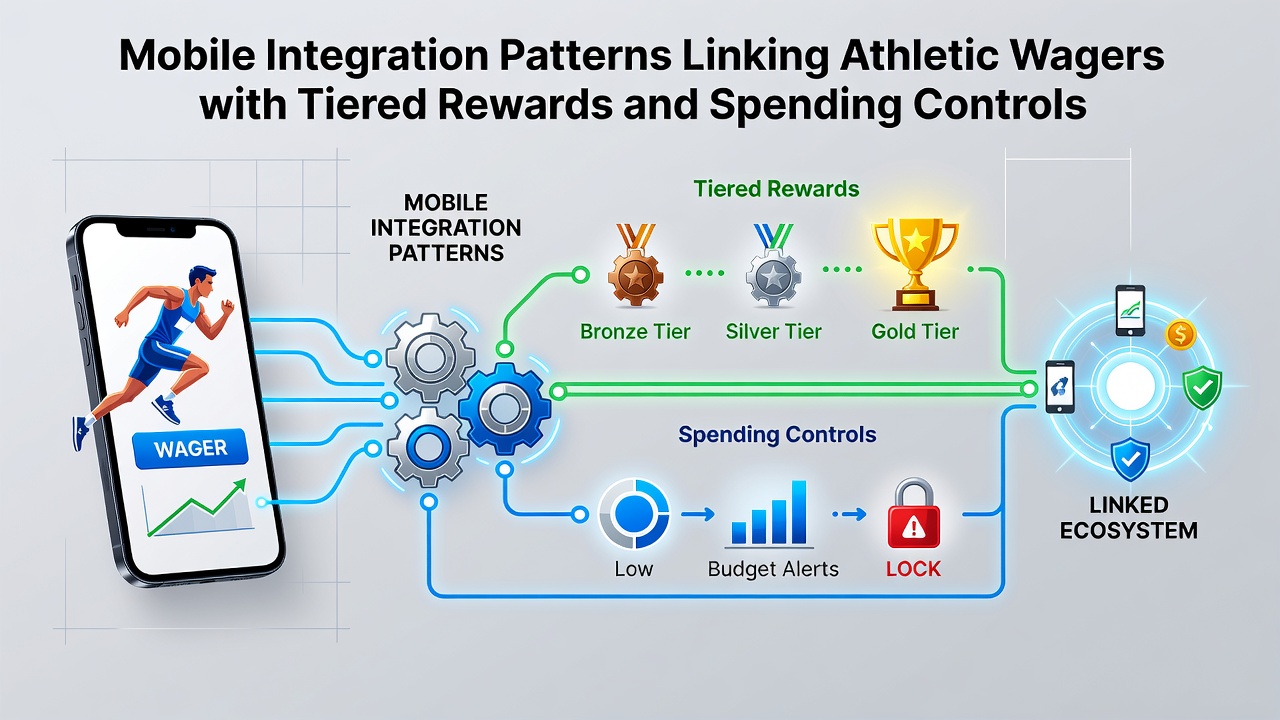
Developers build mobile systems that connect sports wagering directly to layered incentive structures while embedding real-time spending oversight, and these patterns rely on API connections, live data feeds, and user account synchronization to operate smoothly across devices. Research indicates that such integrations allow bettors to place athletic wagers and immediately see progress toward reward milestones without switching applications or menus, whereas separate platforms often require manual tracking that leads to fragmented user experiences.
Core Integration Mechanisms
Backend architectures use event-driven triggers that activate whenever a wager settles, and these triggers update both reward balances and control thresholds in a single transaction cycle. Observers note that cloud-based services handle the heavy lifting by pulling odds, results, and account histories into unified dashboards, yet the front-end interfaces keep navigation simple through swipe gestures and quick-tap menus that highlight current tier status alongside any active limits. Data from industry reports shows that platforms employing these methods process millions of simultaneous sessions without latency spikes, because load balancing distributes requests across regional servers that mirror each other in real time.
Reward Tier Architectures
Multi-level programs assign points based on wager volume, risk level, and frequency, then translate those points into escalating benefits such as enhanced odds, cashback percentages, and exclusive event access. Those who study loyalty systems find that tier progression often resets on monthly or quarterly cycles, which encourages consistent engagement while preventing long-term point hoarding that could dilute perceived value. Mobile apps display progress bars that fill automatically after each settled bet, and users receive push notifications when they near the next threshold, allowing seamless movement from bronze-level perks into silver or gold categories without leaving the sports betting section.
Examples of Tier Benefits
- Entry tiers unlock basic cashback on losses and standard bonus multipliers
- Mid tiers add faster withdrawal processing and personalized odds boosts on selected athletic events
- Top tiers provide dedicated account managers, private contest entries, and higher spending ceilings that adjust dynamically
Studies from academic institutions reveal that these graduated structures correlate with longer session durations when paired with mobile notifications, because users receive immediate feedback on how their recent wagers affect overall standing.
Spending Control Integration
Control features sit inside the same mobile framework as the rewards engine, which means daily, weekly, or monthly deposit caps update instantly when a user adjusts settings through profile menus. Researchers at the National Council on Problem Gambling have documented how real-time alerts trigger before limits are reached, giving bettors the option to pause activity or extend thresholds only after confirmation steps that require additional verification. Integration patterns also link loss limits to reward accrual, so that once a personal cap activates, point earnings pause automatically until the period resets, thereby aligning incentive structures with responsible play protocols.
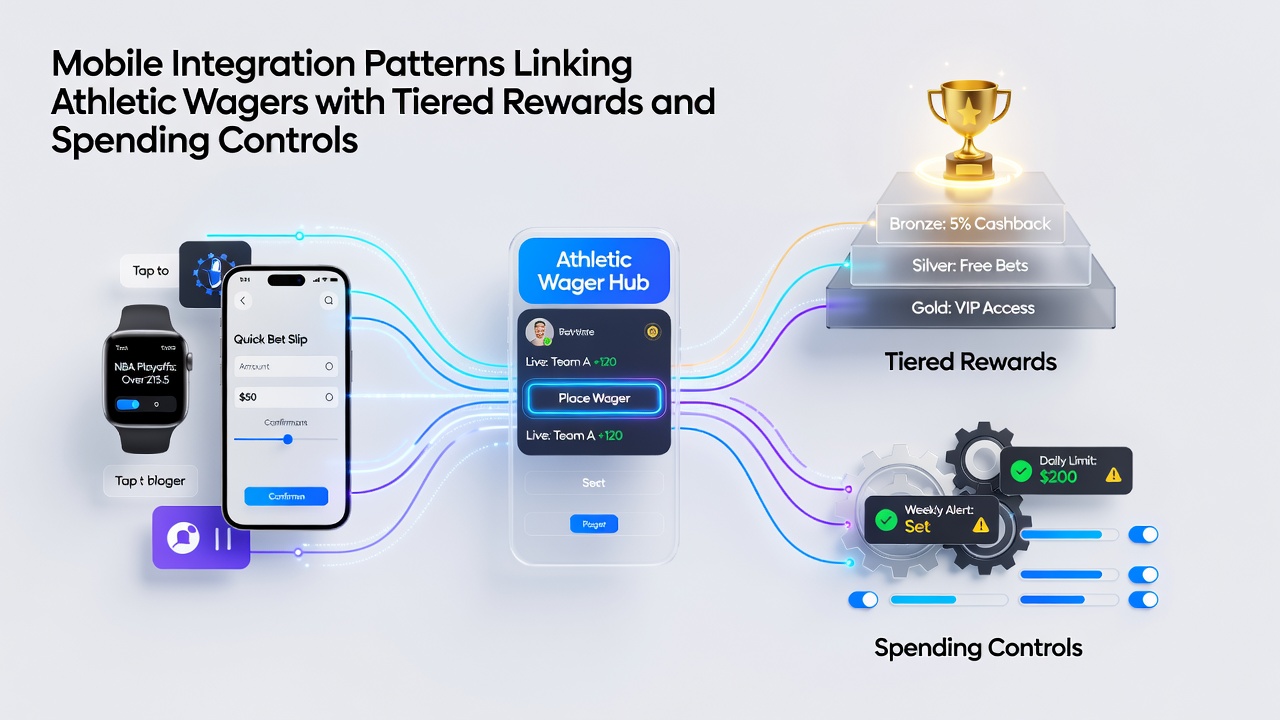
By July 2026 several operators had rolled out biometric confirmation layers for limit changes, and these additions reduced unauthorized adjustments while maintaining the fluid connection between wagers and tier advancement. Figures from regulatory filings indicate that platforms incorporating biometric checks saw measurable drops in support tickets related to account restrictions, because users handled most modifications directly inside the app rather than contacting external teams.
Technical Patterns in Practice
Developers favor microservice designs that isolate the betting engine, rewards calculator, and control monitor into separate yet communicating modules, and this separation allows independent updates without disrupting the entire mobile experience. One case involved a North American operator that synchronized its sports book with a European rewards database through secure token exchanges, resulting in cross-border users accessing consistent tier benefits regardless of location. Observers note that such modular approaches also simplify compliance testing, because each service can be audited individually before full deployment, and testing cycles shortened from weeks to days when automated scripts validated data flows between components.
What's interesting is how machine learning models now predict when users approach spending thresholds based on historical patterns, then surface gentle reminders through the same interface that displays upcoming athletic events and current reward progress. These predictive elements draw from aggregated anonymized datasets rather than individual profiles alone, and reports from the Australian Institute of Family Studies highlight reduced instances of limit breaches when such forecasting appears in mobile interfaces.
Conclusion
Mobile integration patterns that connect athletic wagers with tiered rewards and spending controls continue to evolve through combined API frameworks, real-time data handling, and modular service designs. Evidence shows these systems deliver unified user journeys while embedding protective measures directly into daily interactions, and ongoing refinements around biometric verification and predictive alerts further align incentive mechanisms with expenditure oversight across multiple jurisdictions.