16 Jun 2026
Layered Incentives Foster Safer Gaming Experiences Across Multi-Format Apps with Flexible Funding Models
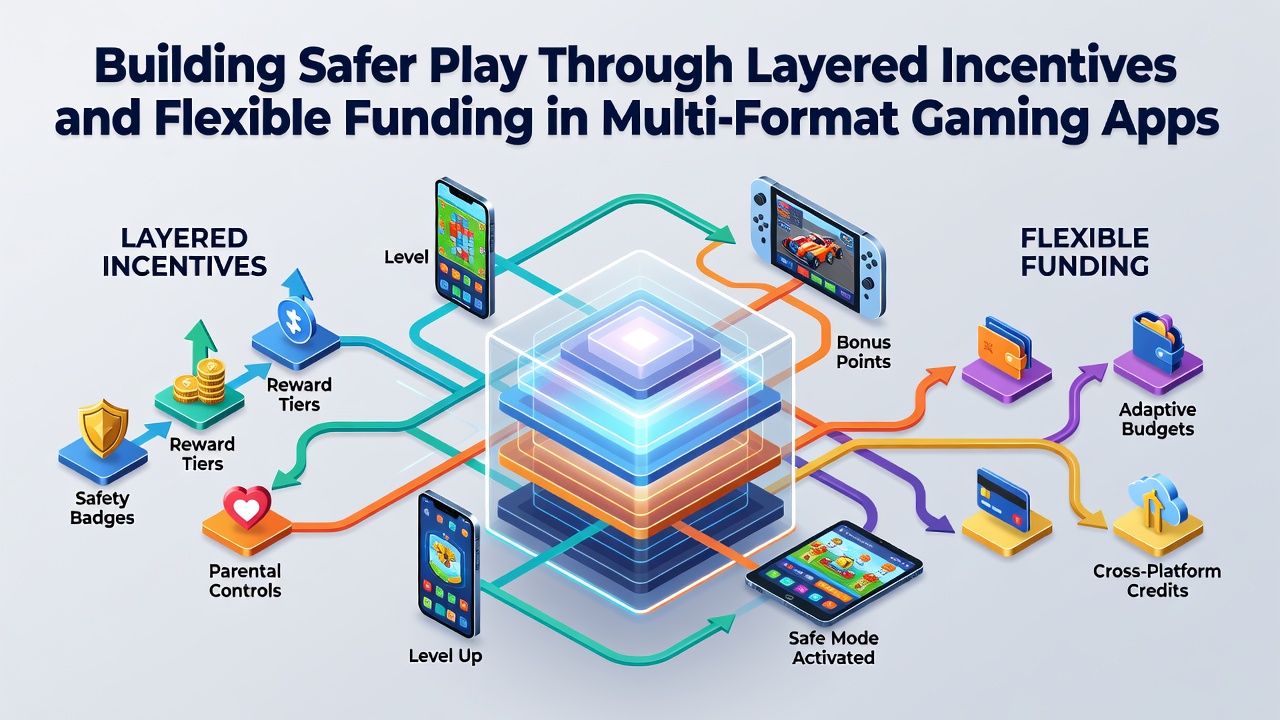
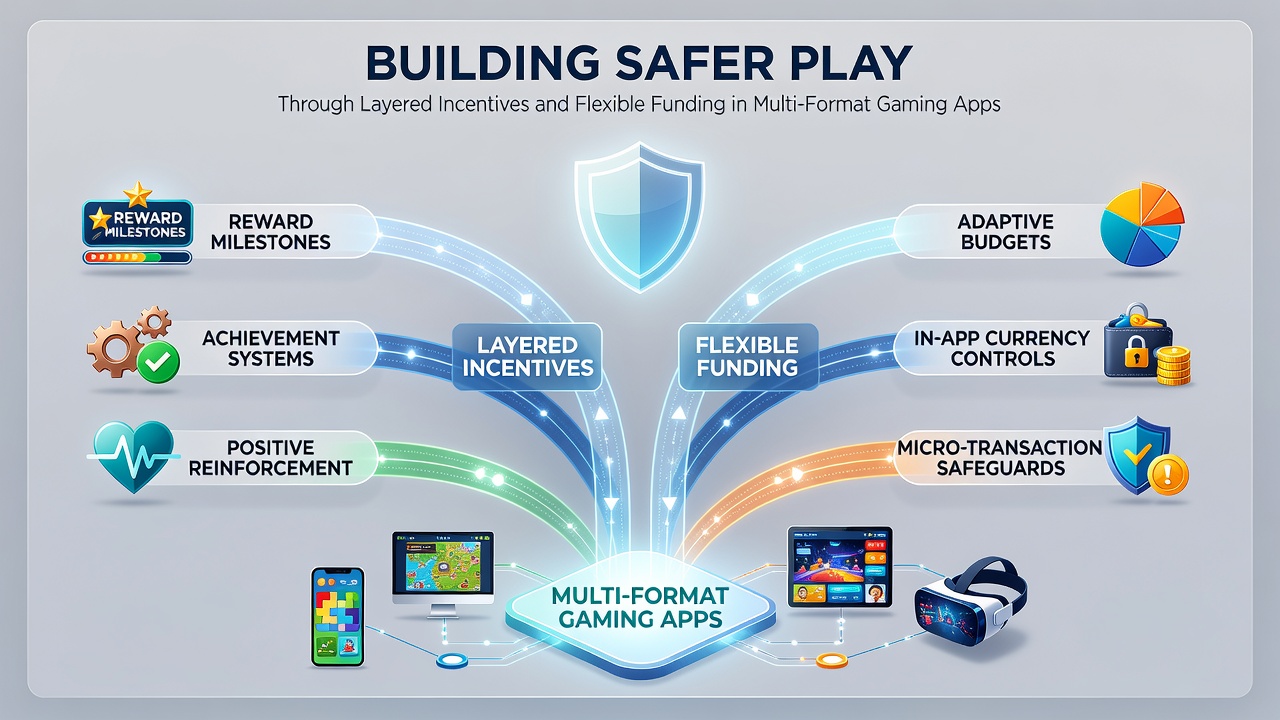
Multi-format gaming apps integrate slots, table games, live dealer options, and sports betting into single platforms where layered incentives combine with flexible funding mechanisms to encourage responsible participation. These systems allocate rewards across multiple activity types while adjusting contribution levels based on user behavior patterns and session data. Developers design the layers so that bonuses, cashback tiers, and loyalty points accumulate only when play stays within predefined safety parameters such as deposit caps, time limits, and loss thresholds.
Mechanics of Layered Incentive Structures
Each incentive layer operates independently yet connects through shared tracking systems that monitor total activity across formats. A player completing a set number of low-stakes table game rounds might unlock a modest reload bonus while the same activity logged against sports betting segments contributes separately to a cashback pool. Research from the Canadian Centre on Substance Use and Addiction shows that segmented reward distribution reduces concentrated betting sessions because users receive incremental benefits rather than large lump-sum offers tied to single-format volume. Flexible funding complements this approach by allowing users to allocate deposits across multiple game types with real-time adjustments that automatically pause further transfers once any layer's safety limit activates.
Flexible Funding Integration and Safety Outcomes
Funding flexibility appears in apps through dynamic wallets that split user balances into format-specific buckets, each carrying its own contribution rules and withdrawal schedules. When a user reaches 80 percent of a daily deposit limit in slots, remaining funds can still support low-risk table game play without triggering an overall account lock. Data compiled by the Nevada Gaming Control Board through 2025 indicates that platforms employing such bucketed systems recorded a 14 percent drop in self-exclusion requests compared with single-wallet models. The same reports note that June 2026 regulatory updates in several North American jurisdictions will require operators to publish transparency metrics on how these funding splits affect average session duration and loss-per-user figures.
Application Across Different Game Formats
In practice, a single app might award loyalty points for every 10 spins on slots at one rate, while live dealer sessions earn points based on average bet size and duration. Sports betting segments often tie rewards to prediction accuracy rather than stake size, creating an incentive structure that favors skill demonstration over volume. Observers note that this differentiation discourages rapid cycling through high-volatility options because users maximize returns by spreading activity. Studies published by the University of Sydney's Gambling Treatment and Research Clinic reveal that multi-format users exposed to format-specific reward schedules maintain lower average bet sizes across all categories than those on uniform bonus systems.
Regulatory Context and Platform Adaptations
European and Australian regulators have begun requesting detailed mappings of how incentive layers interact with funding controls before granting or renewing operating licenses. Platforms respond by embedding configurable rules engines that let operators adjust layer thresholds without recoding core app functions. These engines track cumulative exposure across formats and automatically scale reward rates downward when total activity approaches safety boundaries. Figures released by the Australian Institute of Family Studies in early 2026 document a consistent correlation between such adaptive systems and reduced rates of user complaints regarding unexpected account restrictions.
Implementation Examples and Measured Results
One European operator introduced a tiered cashback model in 2025 where slots cashback activated at a 5 percent rate up to a weekly cap, table games at 3 percent with no cap, and sports at 2 percent only on settled bets meeting minimum odds requirements. The structure produced a measurable shift in play distribution, with users increasing time spent on lower-volatility formats. Similar programs in Canadian provincial markets show parallel patterns according to internal compliance reports shared with the Alcohol and Gaming Commission of Ontario. These shifts occur without mandating format changes, allowing users to retain choice while the incentive architecture gently guides behavior toward safer distributions.
Conclusion
Layered incentives paired with flexible funding create measurable pathways for safer play by distributing rewards across formats and adjusting contribution rules in real time. Data from multiple jurisdictions continues to track how these combined mechanisms influence session patterns and user self-regulation. As platforms refine their rule engines ahead of the June 2026 compliance deadlines, further documentation of outcomes will clarify which configurations deliver the strongest safety margins while preserving engagement across diverse game types.