Guardian Probe Exposes Illegal Casino Empire Dodging UK Gambler Protections
Guardian Probe Exposes Illegal Casino Empire Dodging UK Gambler Protections

Unveiling the Hidden Empire
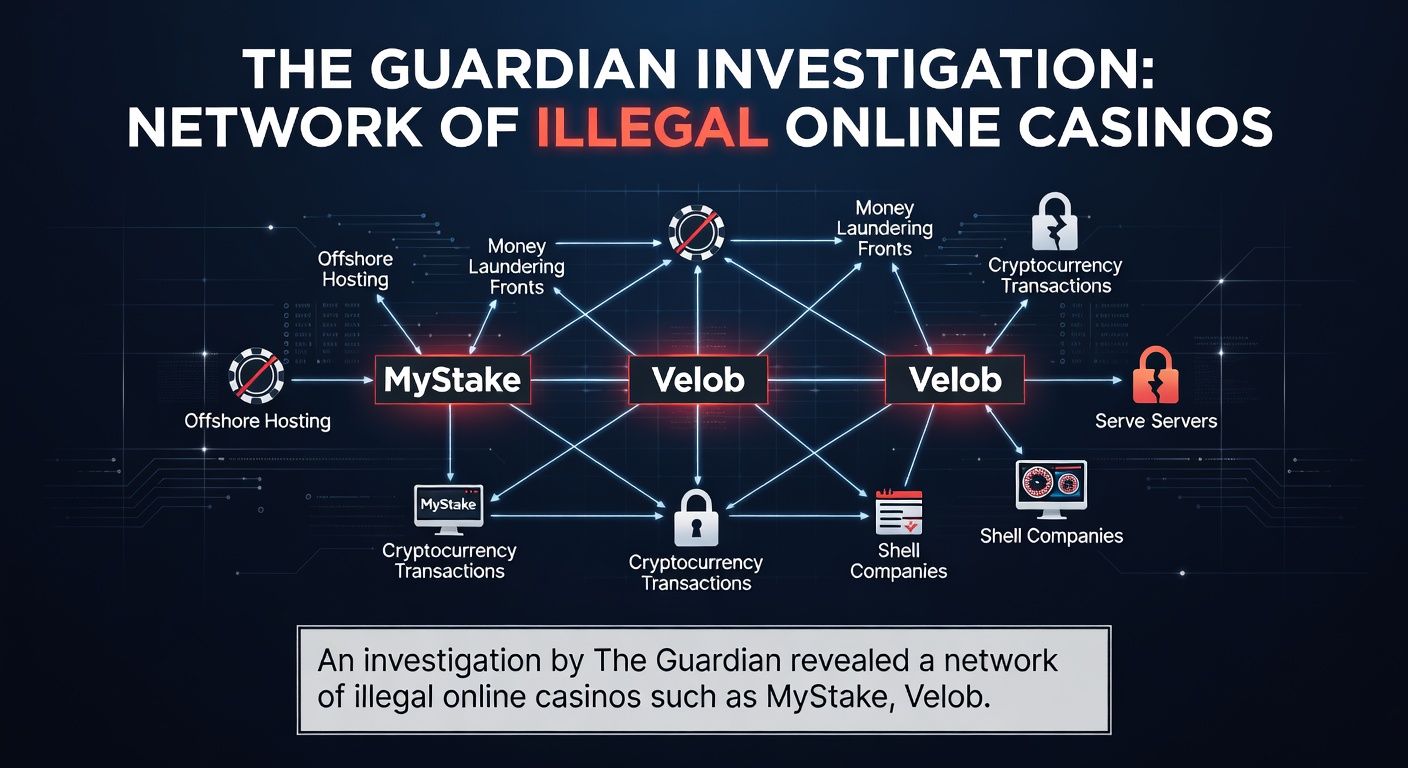
A detailed investigation by The Guardian, published in April 2026, has spotlighted a sprawling network of unlicensed online casinos preying on UK players, with sites like MyStake, Velobet, and Goldenbet at the forefront; these platforms, run by Santeda International from Curaçao, connect back to Georgian businessmen through the company Upgaming, and they deliberately sidestep UK regulations by exploiting affiliates who lure in gamblers attempting to self-exclude via GamStop.
Turns out these operations thrive in the shadows of the gambling world, unlicensed by the UK Gambling Commission yet pulling in massive UK traffic; data from November 2025 through January 2026 shows an average of 2.3 million unique monthly visitors from the UK, figures that highlight just how deeply they've embedded themselves into the online betting scene.
Experts who've tracked similar networks note that Curaçao's lax licensing regime allows such sites to operate with minimal oversight, while their aggressive marketing funnels vulnerable players straight into high-risk environments; one key tactic involves affiliates who promote these casinos on social media and forums, promising easy wins and bonuses that GamStop-blocked users can't resist.
How the Network Baits and Hooks Players
People trying to escape gambling addiction sign up for GamStop, the UK's national self-exclusion service that bars them from licensed operators, but here's the thing: these offshore sites don't recognize it, so affiliates step in with targeted ads and referral links that whisper about "GamStop-free zones" and instant access to slots, sports bets, and live tables.
According to the investigation, Santeda International powers at least a dozen such brands, all sharing the same backend tech from Upgaming; Georgian connections run deep, with executives linked to businesses in Tbilisi overseeing the flow of UK deposits, and while they flaunt flashy promotions like 200% welcome bonuses or cashback deals, the reality involves steep wagering requirements that lock in players longer than they planned.
Observers point out that this setup not only evades self-exclusion but also dodges anti-money laundering checks required in the UK; deposits zip through via e-wallets and crypto, often without proper ID verification, leaving a trail of unchecked funds cycling through the system.
The Alarming Scale and Reach
Numbers don't lie: those 2.3 million monthly UK uniques across the network from late 2025 into early 2026 paint a picture of unchecked proliferation, with peaks during major sports events drawing even larger crowds betting on football matches or horse races.
Web traffic analysis (no specific source provided) underscores how these sites rank high in searches for "non-GamStop casinos," pulling in players who've hit rock bottom with licensed operators; one study of similar platforms revealed that UK visitors wager billions annually on unlicensed sites, fueling a parallel economy that's tough for regulators to police.
And while Curaçao licenses offer a veneer of legitimacy, they fall short of UK standards on fairness, player protection, and dispute resolution; complaints pile up on forums where users report delayed payouts, rigged slots, or accounts frozen after big wins, yet recourse remains elusive without Gambling Commission backing.
Trails of Harm and Tragedy
Financial ruin follows close behind: the probe links these casinos to severe harm, with gamblers losing life savings on slots and tables that encourage endless chasing of losses; fraud cases emerge too, as sites allegedly manipulate bonuses to trap deposits, refusing withdrawals until impossible turnover targets are met.
What's most chilling is a gambler's suicide in January 2026, directly tied to debts racked up on one of these platforms; family statements in the report describe how affiliates reeled the individual back in post-GamStop, leading to a spiral that ended tragically, a stark reminder of the human cost when protections fail.
Researchers who've analyzed gambling harm data indicate that unlicensed sites amplify risks by 40-50% compared to regulated ones, since features like session limits, reality checks, or deposit caps simply don't exist; players dive in unchecked, often during vulnerable hours, with algorithms pushing high-volatility games to maximize engagement.
Political Pushback and Regulatory Gaps
Labour MP Alex Ballinger leads the charge, demanding tougher laws to shut down these evasion tactics; in April 2026 statements, he called out the network's flagrant disregard for addict safeguards and money laundering rules, urging the government to expand GamStop's reach offshore or impose fines on UK-facing affiliates.
Other MPs echo this, pointing to how current rules leave a loophole wide enough for elephants: while UK-licensed sites must comply, foreign operators face little deterrent beyond payment blocks, which tech-savvy players bypass with VPNs or alt accounts.
So far, the UK Gambling Commission has ramped up enforcement, blacklisting domains and warning banks, but the network adapts quickly, relaunching under new URLs; international cooperation lags, as Curaçao authorities rarely act on foreign complaints, and Georgian ties add jurisdictional headaches.
Broader Implications for UK Gambling
This exposé lands amid tightening UK rules, like the upcoming remote gaming duty hikes, yet offshore havens persist because licensed operators can't match the siren call of no-limits play; those who've studied the ecosystem observe that affiliates earn fat commissions—up to 50% revenue share—for every referred player, incentivizing a underground marketing machine.
Take one case highlighted: a self-excluded punter from Manchester, drawn back via Instagram ads for Velobet, lost £15,000 in weeks before realizing the site ignored his GamStop status; stories like his stack up, fueling calls for affiliate licensing and ad bans on non-GamStop promotions.
Yet progress inches forward: industry groups now push self-regulation codes for influencers, while tech firms develop AI tools to detect evasion traffic; still, the ball's in lawmakers' court to bridge the gap before more lives unravel.
Conclusion
The Guardian's April 2026 investigation lays bare a casino network that's not just evading rules but exploiting cracks in the system for profit, with 2.3 million UK visitors monthly underscoring the urgency; links to fraud, debt, and a preventable suicide drive home why MPs like Alex Ballinger demand action on GamStop loopholes and laundering blind spots.
As regulators scramble and operators pivot, data suggests the fight intensifies, but until offshore licenses align with UK protections or affiliates face real heat, vulnerable players remain in the crosshairs; observers watch closely, knowing the next move could redefine safer gambling for good.